MDes: Creative Computing
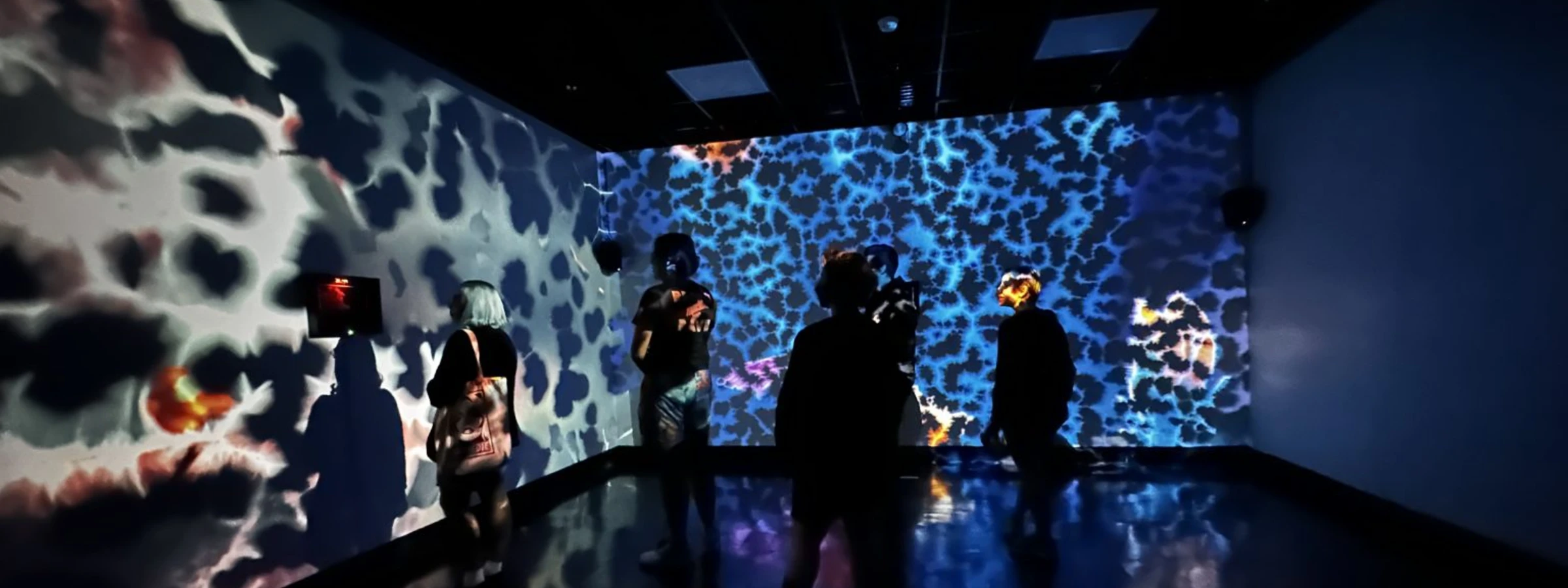
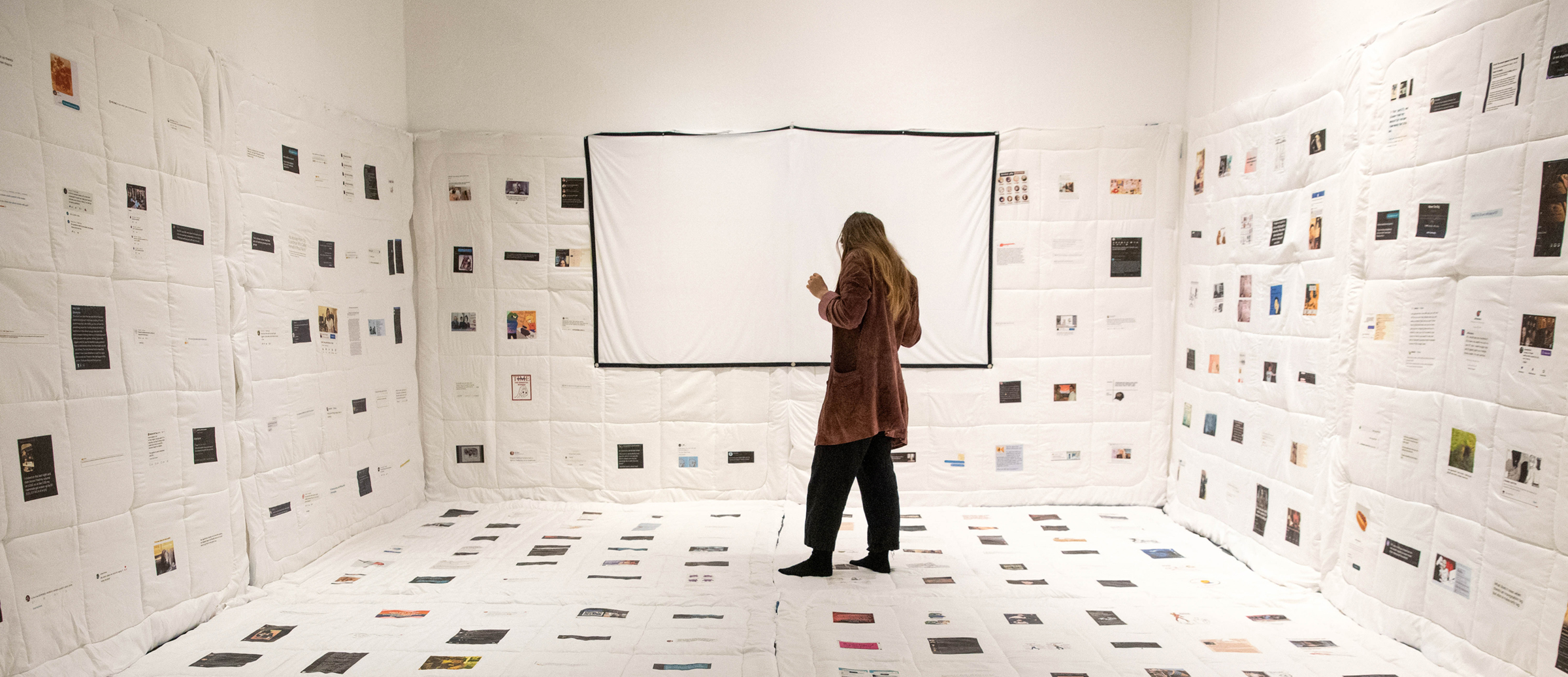
Páramo Immersion, Luisa Pinzon
Collaborative and Interdisciplinary
At CalArts, code isn’t just logic; it’s light, sound, kinetic motion, and raw creative immersive material. The Master of Design (MDes) in Creative Computing is a two-year, 60-unit graduate laboratory designed for creators who want to build their own tools rather than work within the limitations of existing corporate software. Bridging computational engineering, human-centered artificial intelligence, spatial computing, and digital signal processing, this program empowers both engineers and practicing artists to design complex, interactive systems and lead next-generation innovations across tech, design, and emerging media.
Your custom curriculum
Whether you are writing your first line of code or already building complex interactive systems, the MDes Creative Computing offers flexible pathways tailored for both beginners and experienced coders. Our curriculum is designed to grow alongside your unique background and creative goals. Through agile micro-courses, you can rapidly acquire targeted skill sets, from foundational programming to specialized topics, without getting bogged down in rigid prerequisites.
Meet the faculty
At CalArts, faculty and students are collaborators, teaching, learning, and working together as members of our community of artists.
-
Creative Computing;
Program Director, Creative Computing;
Associate Provost, Creative TechnologiesImage
-
Creative Computing;
Faculty, Creative ComputingEmail address: lpinzon@calarts.eduImage
-
Creative Computing;
Faculty, Creative ComputingEmail address: mmulshine@calarts.eduImage
-
Creative Computing;
Faculty, Creative ComputingEmail address: zcheng@calarts.eduImage
What will you make?
-
-
Utmori

-
Feedback Loops All the Way Down

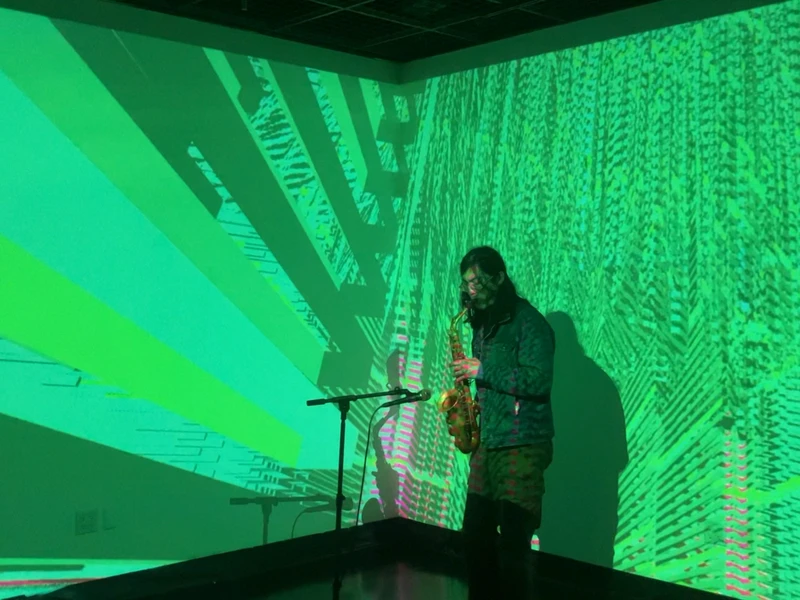
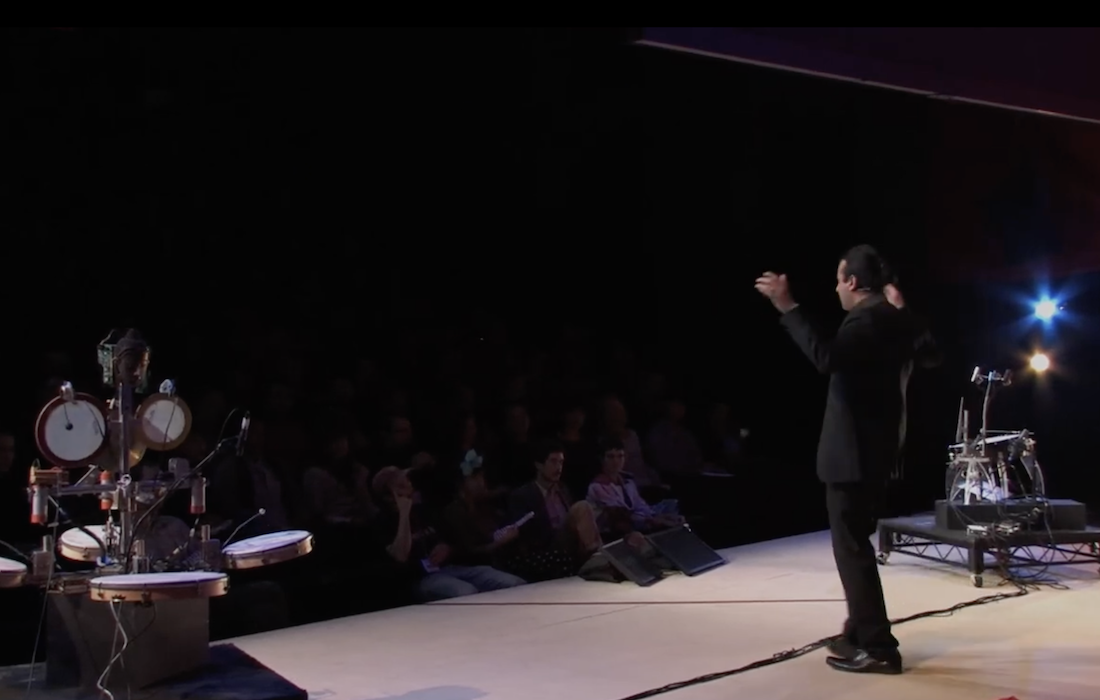
Program Director Ajay Kapur at TedxCalArts
Want to learn more?
We got you. Our Admissions team is all about providing the information you need to decide if CalArts is right for you. We’re excited to connect with you for a tour of our legendary campus, a virtual info session, or at one of our admissions events across the country or around the world. Take the next step—we’re here to help.